Pax and I had an awesome day yesterday. We went to a one day Sprint race meet hosted by the NEWC (new england whippet club). After our first meet, I almost gave up on Spring racing with him. His high drive can only get him so far. He just doesn't have the muscle or stride length to keep up with some of these whippets. Seriously the thigh muscles on some of these dogs are amazing.
There is still plenty of competition here in New England, but I think Pax does well enough to make it worth while and wow does he LOVE IT! He is crazy for flyball, but out of his mind for racing. At the last two meets he was 7th and 6th place, which I am very happy with. I think his stamina and again huge amount of drive actually help. He seems to do better than some of the other dogs in the 3rd and 4th programs.
Racing is much slower moving than flyball and especially with just one whippet.. but the locations cannot be beat. Yesterday we were in Western Mass on a gorgeous piece of property. I love being outside all day surrounded by this amazing scenery, watching the incredible speed of the dogs. Pax has a lure coursing trial in a few weeks and it would be very convenient if he would get 1st place..that isn't too much to ask right?
Sunday, September 9, 2012

Monday, August 27, 2012
a new striding training method
Unfortunately for Pax, he is my practice dog for training striding. His natural flyball striding isn't great, as I may have mentioned many times. Had I started him differently, I have no doubt that I wouldn't be having this much trouble now.
The only way I can get the striding I want ( 3 strides in and 3 strides out between the box and last jump) is by putting gutters at 5' and 10' from the box. I wonder if a dog that has already run for a year or more can change their striding with gutters? It hasn't had any sort of permanent effect on Pax.
Last weekend I tried something a little bit different. I slowly moved the last jump away from the box slowly and kept sending him and videoing his striding. At 15.5' he still took 2 steps in and 2 steps out, same at 16'. At 16.5-17.5 he took two big strides and one little stutter step and still mostly 2 strides out. Then I moved it to 18', which is the limit for where I would be willing to move it. And that's where he took 3 strides in and 3 out. This seems a little bit ridiculous because dogs much bigger than him easily take 3 strides in 15' and I believe that with more space Pax stretched out even more. I figure his striding can't get much worse than it already is, so my plan is to leave the jump at 18' and than very slowly over time move it back in and hopefully taking 3 steps will be so ingrained by then that I won't need gutters.
To do this training, I really can't also be running him in tournaments. So Pax, is getting the big "P-WORD"...PULLED after Canam, which we already committed to. It may not help, but I would always regret not trying and I still have my Indigo to run.
The only way I can get the striding I want ( 3 strides in and 3 strides out between the box and last jump) is by putting gutters at 5' and 10' from the box. I wonder if a dog that has already run for a year or more can change their striding with gutters? It hasn't had any sort of permanent effect on Pax.
Last weekend I tried something a little bit different. I slowly moved the last jump away from the box slowly and kept sending him and videoing his striding. At 15.5' he still took 2 steps in and 2 steps out, same at 16'. At 16.5-17.5 he took two big strides and one little stutter step and still mostly 2 strides out. Then I moved it to 18', which is the limit for where I would be willing to move it. And that's where he took 3 strides in and 3 out. This seems a little bit ridiculous because dogs much bigger than him easily take 3 strides in 15' and I believe that with more space Pax stretched out even more. I figure his striding can't get much worse than it already is, so my plan is to leave the jump at 18' and than very slowly over time move it back in and hopefully taking 3 steps will be so ingrained by then that I won't need gutters.
To do this training, I really can't also be running him in tournaments. So Pax, is getting the big "P-WORD"...PULLED after Canam, which we already committed to. It may not help, but I would always regret not trying and I still have my Indigo to run.
Tuesday, August 21, 2012
blah blah blah
I feel like Pax has been the main topic of my posting lately. He's just such a project! Indigo is a finished product in my opinion for flyball. She is cured of ball spitting and she is consistently running to her potential, considering her training. She is running on the A team in flyball. and possibly the most consistent dog on that team. Goose is still spitting his ball, but thats because his trainer sometimes slacks on working with him. Otherwise he he running really well too!
Ben has stopped doing agility with Indigo and Pax, which is sad considering the amount of training that she had. He just isn't the type to go out and practice a few times a week and so agility really isn't the best sport for Ben. Also with starting Vet school, time is an issue as well.
With everything that is going on in our lives outside of dog sports, we've decided to focus on flyball and whippet racing/lure coursing for now. When things calm down I'd love to find a place to take Goose herding just because he loves it so much.
Speaking of lots of craziness in our lives right now, the last thing we need is for our dogs to get Skunked. So of course one day last week just as we were about to go to bed, we let the dogs out one more time and sure enough our entire house starting smelling like the nastiest onion smell. We step outside and Pax puked and couldn't open his eyes after getting sprayed in the face. Goose got it all over and Indigo even managed to pick some up too. After consulting with the internet and our facebook friends, Ben ran out to the store to pick up Hydrogen Peroxide and we make a mixture with that, baking soda and dish soap. We applied it to the dogs without water and let it sit on them for 30 minutes. Then we washed them off. By this point it was 1 am and Finley was fully asleep. The stuff worked really well. We put them in their crates and aired out the house all night long. The next day I took everyone to the groomer for a deskunk treatment. Luckily, everything we did helped a lot and now only Pax's neck stinks.
Ben has stopped doing agility with Indigo and Pax, which is sad considering the amount of training that she had. He just isn't the type to go out and practice a few times a week and so agility really isn't the best sport for Ben. Also with starting Vet school, time is an issue as well.
With everything that is going on in our lives outside of dog sports, we've decided to focus on flyball and whippet racing/lure coursing for now. When things calm down I'd love to find a place to take Goose herding just because he loves it so much.
Speaking of lots of craziness in our lives right now, the last thing we need is for our dogs to get Skunked. So of course one day last week just as we were about to go to bed, we let the dogs out one more time and sure enough our entire house starting smelling like the nastiest onion smell. We step outside and Pax puked and couldn't open his eyes after getting sprayed in the face. Goose got it all over and Indigo even managed to pick some up too. After consulting with the internet and our facebook friends, Ben ran out to the store to pick up Hydrogen Peroxide and we make a mixture with that, baking soda and dish soap. We applied it to the dogs without water and let it sit on them for 30 minutes. Then we washed them off. By this point it was 1 am and Finley was fully asleep. The stuff worked really well. We put them in their crates and aired out the house all night long. The next day I took everyone to the groomer for a deskunk treatment. Luckily, everything we did helped a lot and now only Pax's neck stinks.
Thursday, July 26, 2012
ball on the wall
We had a tournament this past weekend and tried Pax running full time on the A team. He's our fastest dog in theory, but his times are very inconsistent because of his striding. I got a few 3.8s out of him in last, but mostly 3.9s -4.0. His box turn was consistently wide despite the extra work I've been doing with him.
I know it just hasn't been enough time and he's been rewarded many times by going wide. I also know that the root of the problem is not just the turn itself, but the way he approaches the box. His approach doesn't allow him to collect himself to make a tight turn. However, I know he CAN do a tight turn with his striding into the box because when I put a prop there, his turn is lovely. While I continue to work on his striding, I'm also focusing on getting him to bend more (I posted about this last week) and rotate better. His wall work has been nice, so I've advanced him to getting the ball off the wall.
I started this last night and this morning. I thought it looked pretty good for his first time getting the ball off the ball. I'll do a lot more of this and then start working the actual box.
HERE IS THE VIDEO
I know it just hasn't been enough time and he's been rewarded many times by going wide. I also know that the root of the problem is not just the turn itself, but the way he approaches the box. His approach doesn't allow him to collect himself to make a tight turn. However, I know he CAN do a tight turn with his striding into the box because when I put a prop there, his turn is lovely. While I continue to work on his striding, I'm also focusing on getting him to bend more (I posted about this last week) and rotate better. His wall work has been nice, so I've advanced him to getting the ball off the wall.
I started this last night and this morning. I thought it looked pretty good for his first time getting the ball off the ball. I'll do a lot more of this and then start working the actual box.
HERE IS THE VIDEO
Saturday, July 7, 2012
Ball Spitting
Here is a question from a reader about training a 4 month old border collie:
Question: .........I'm pretty sure he's going to be a spitter, as he very much prefers the tug over the ball (which is good), but how can I work with him down the road in bringing the ball? Ive started doing exchanges from ball to tug because i did that in the past, and he spits as soon as he sees the tug. he knows the 2 toy game as well. Or is it too early to worry about that? Anyways, any suggestions you have for me would be wonderful.
Answer:
First of all, I wouldn't worry too much about a future in ball spitting at 4 months. At 4 months the things I focus on are:
1. TUG DRIVE especially with distractions (balls, other dogs, people running etc)
2. flat recalls against lots of different types of dogs
3. opposing recalls or introduction to passing through the stanchions
4. introduction to box work - "over & back" over a gutter or low jump
5. body awareness exercises or introduction to gutters if you plan to use them
6. introduction to clicker training and being handled by people if that's an issue
7. toy exchange
8. basic retrieve to the hand, not necessarily a ball and not a big focus.
9. Impulse control games
Between 5-7 months is when I would suggest revisiting the ball work. Here is a combination of the steps I did with Pax and Indigo. With Pax to prevent ball spitting and with Indigo to fix it. This is in addition to playing tug with the ball and using the tennis ball as a reward in everyday life.
1. Clicker train to put the ball in my hand. In a small space with the dog on leash (if needed), toss the ball a very short distance. Shape him putting it in your hand. Start with a click for picking up the ball then for bringing it toward you and then eventually click the second the ball makes contact with your hand. Practice this a lot!
2. Throw a ball further in a large space with no leash and have him bring it to my hand, building up to him bringing it while I'm running away with my hand out. There is no tug involved yet.
3. Same as # 2 but with dead ball. If he does 4 in a row correctly, take out the tug play a short exciting game of tug with him.
4. With a tug in hand, throw a ball and then turn and run with the tug hidden in front of you as you are running. Look back to see if the dog has the ball as he approaches you. If he has it and is within 2 feet of you, give him the tug. If he spit it, ask him to go get it and bring it to you and then give him the tug. If he spits it no where near you, you need to move back a few steps. Ideally you will be able to send him to a dead ball run away with a hidden tug and then when he presents you the ball, give him the tug.
5. Using a low value tug at first and eventually moving to his favorite tug, try #4, but drag the tug instead of hiding it. It's important that you look back to see when the dog drops the ball. If it's early (more than 2 feet from you), immediately pull up the tug. Ask the dog to go get the ball and bring it to you and then give him the tug. Again, if it's too hard make it easier and slowly raise the criteria.
The mistakes I made in 5 years of training Indigo to hold her ball: hiding the tug as a permanent solution, facing her instead of running away, and most importantly rewarding her in tournaments when she didn't carry it within 2 feet of me, but did carry it barely over the line.
Here is a video of Indigo from a few days ago. I am just getting to the point of dragging the tug. The first few I was still hiding it and then I tried dragging it. On the last two she made me laugh because she tried to get the tug while the ball was still in her mouth!
Friday, July 6, 2012
Bending
Pax has been racing in flyball for almost a year now and has made lots of progress. He's more confident, has better striding and just started passing with no issues. It's nice to have him in 4th because his box turn is very variable. You couldn't pass into him easily as he is coming off the box because often he goes wide.
We tried to figure out what causes him to go wide. We thought maybe it was when he gets tired, but it's variable throughout the day. It definitely has to do with the way he collects himself between the 4th jump and the box. Also he hits the box too far to the left and isn't able to bend his body easily.
I'm still working on his striding into the box, but I'm focusing on improving his flexibility so he can bend more easily. I want to be able to practice his box turn without using the upright of a box prop to keep his head in. Most dogs with this problem only have a tight turn when the prop is in, so that doesn't really help fix the problem.
This week I've been doing wall work and experimenting with some agility jumping. He already knew some basics from his classes with Ben, so getting him around the jump was easy. I need to work on calling him sooner so he starts bending mid-jump and we plan to add some serpentine jumps for more bending skills. For the agility jumping I'm purposely working on both sides event hough he turns to the left. Please excuse my "agility handling" or lack of. I'm not an agility person!
We tried to figure out what causes him to go wide. We thought maybe it was when he gets tired, but it's variable throughout the day. It definitely has to do with the way he collects himself between the 4th jump and the box. Also he hits the box too far to the left and isn't able to bend his body easily.
I'm still working on his striding into the box, but I'm focusing on improving his flexibility so he can bend more easily. I want to be able to practice his box turn without using the upright of a box prop to keep his head in. Most dogs with this problem only have a tight turn when the prop is in, so that doesn't really help fix the problem.
This week I've been doing wall work and experimenting with some agility jumping. He already knew some basics from his classes with Ben, so getting him around the jump was easy. I need to work on calling him sooner so he starts bending mid-jump and we plan to add some serpentine jumps for more bending skills. For the agility jumping I'm purposely working on both sides event hough he turns to the left. Please excuse my "agility handling" or lack of. I'm not an agility person!
Friday, June 29, 2012
Enhance Performance in Dogs with Herbs
At a recent flyball tournament we got
some sample bottles of a product called AgilityPro which contains: American Ginseng, Ashwagandha, Siberian Ginseng,
Codonopsis pilosule, and Astragalus. I knew the uses of these herbs in humans.
I know from personal experience that they are useful during times of stress. I
found Ashwagandha to be very useful while I was in graduate school. I wrote
this little article and based on what I found regarding their use in dogs, I am
going to start giving a similar product to my dogs.
All of these wonderful benefits I am about to tell you about are not based from personal experience. It's based on studies in humans and reports of success from horse and canine vets. I'd love to know if anyone has used a performance enhancing supplement in their dogs and how it works!
When talking about good qualities of a performance dog people tend to say things about "no self preservation" and "giving 110%" despite pain, stress or fatigue. We also know that we need to decide when it's time to force rest to prevent injuries or accidents, which can lead to a shortened career in the long term. Hard working canine athletes may benefit from some assistance in handling the physical and mental stress brought on by their work. Many of the sports and daily work that our dogs perform are very taxing on the body.
All of these wonderful benefits I am about to tell you about are not based from personal experience. It's based on studies in humans and reports of success from horse and canine vets. I'd love to know if anyone has used a performance enhancing supplement in their dogs and how it works!
When talking about good qualities of a performance dog people tend to say things about "no self preservation" and "giving 110%" despite pain, stress or fatigue. We also know that we need to decide when it's time to force rest to prevent injuries or accidents, which can lead to a shortened career in the long term. Hard working canine athletes may benefit from some assistance in handling the physical and mental stress brought on by their work. Many of the sports and daily work that our dogs perform are very taxing on the body.
The herbs in Agility Pro and other similar products are known as ADAPTOGENS which literally translates from Greek “to produce an adjustment "
They are used by humans for adrenal gland
support / stress management. These herbs have a non-specific activity,
increasing the resistance of the entire body. They work to help the entire
system gain balance or homeostasis, helping to normalize body system functions affected
by stress. Many of these herbs improve endurance, work capacity under
stress, and recovery after strenuous activity. Interestingly most of the
adaptogenic herbs tend to grow in challenging environments and survive despite
the conditions.
Based on studies in humans and animals the following benefits might be seen in a performance dog.
Based on studies in humans and animals the following benefits might be seen in a performance dog.
- Fewer injuries and faster recovery due to a faster rate of tissue repair
- Delays the onset of fatigue during exercise
- Improved performance and endurance
- Increased learning, memory, focus and accuracy when tired or stressed
- Skeletal muscle & strength
- Immune system protection from long-term or intense stress
- Glucose movement into muscle cells
- Higher levels of ATP in muscle cells
- Utilization of lipids for energy production
- Mitochondrial efficiency for energy
- Protects digestive function
- Protects against oxidative damage
- Calming for anxiety, depression, nervousness, irritability, or aggression
- Reduces stress during performance and traveling.
These herbs will not enhance
performance beyond natural ability like an anabolic steroid or stimulants, but
will support the body and help the dog reach natural potential. During events
or conditioning you may see improvements in endurance and delayed exhaustion,
which can prevent injuries related to fatigue and a lack of focus and
concentration.
After strenuous activity adaptogens
will help with muscle repair via protein synthesis. The time needed for the
body to recover from high-intensity training or extended periods of stress is
greatly reduced. In dogs that are well conditioned and mentally sound, you may
not see improvements until the dog is faced with a difficult situation or is
tired.
It is best to choose a product with
a combination of adaptogenic herbs. For example, the benefits may be
seen immediately with Rhodiola and Schizandra, whereas Panax ginseng and
Ashwagandha needs to build up in the system.
After discussing with your vet, try
giving one dose per day or more if there is major stress. If the goal is overall
stress relief vs improved performance, it may need to build up in the system
for 2–4 weeks before you see results. Many people will give their performance dogs a lower dose at home
and then increase it just before and during an event.
THE
HERBS
Aralia mandshurica: Protects the body from
environmental toxins and infection; protects the stomach lining and intestines,
improving absorption.
Codonopsis pilosule: Works in a similar way to Panax
Ginseng, but is milder and less expensive
Siberian Ginseng
(Eleutherococcus senticosus): Prevents exhaustion from physical and mental stress;
fat & glucose
metabolism; may increase the numbers of mitochondria, increasing exercise
capacity; ability
to withstand adverse conditions (heat, noise, increases in workload and
physical exertion); physical and mental performance and
quality; memory, mental alertness and work output.
Panax ginseng: Increases blood flow to the brain,
improves libido and reproductive performance, stamina and energy levels; ability to withstand
stress, improve work performance and quality, and enhance mental function.
Rhaponticum carthamoides: Helps build and maintain lean muscle
mass improves fertility and prevents impotence, prevents fatigue, and
improves recovery from long illness.
Rhodiola rosea: Increases the blood supply to the
muscles and brain, and increased protein synthesis; immune support, resistance to fatigue, improves mood &
attention especially with not enough sleep; useful for acute stress; helps
with depression and time spent in recovery; increases endurance, mental and
physical strength; heart rate recovery after intense exercise; lipid metabolism
Schisandra chinensis: Helps during times of stress and fatigue; anti-imflammatory; stimulates central nervous system and use of
oxygen in the cells; enhances mental coordination and physical endurance,
improves vision especially at night; reduces stress via the adrenal gland; suppresses
excessive stomach acid production and protects against stomach ulcers.
Ashwagandha:
improves immune function relaxation & sleep, anti-inflammatory and immune
boosting; adrenal support, lowers blood pressure; improves thyroid function
(increases energy, digestive function and mood): alertness and memory, promotes
a feeling of well-being; anxiety and irritability.
Astragalus: useful during weakness ; recovery
following an illness or prolonged stress; boosts vitality.; enhances immune
function by increasing natural killer cell activity, increasing T cell activity,
and enhancing macrophage activity.
While adaptogens may offer many
benefits, there are also a lot of things they can't do. Please use feed quality diet, allow for rest, regular conditioning and veterinary/chiropractic care.
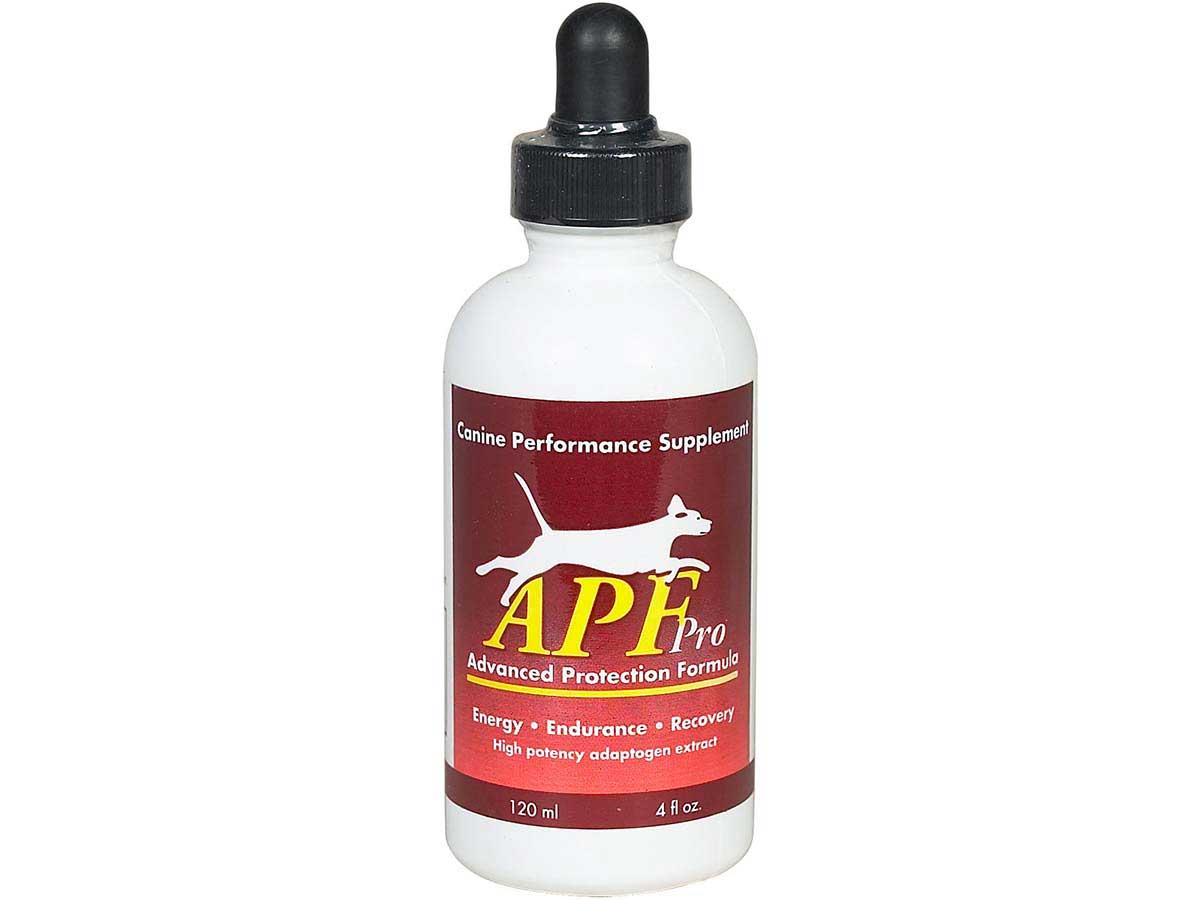
This product seems to be the best one in terms of variety of adaptogenic herbs. It contains: Eleutherococcus senticosus,Rhodiola rosea, Schizandra chinensis, Aralia
mandschurica, Rhaponticum carthamoides. I am going to order it and see how it works and will report back!
Subscribe to:
Posts (Atom)